FAMILY-LED • EVIDENCE-BASED
FIGHTING FOR JUSTICE

Retrospective abolition of the IPP sentence

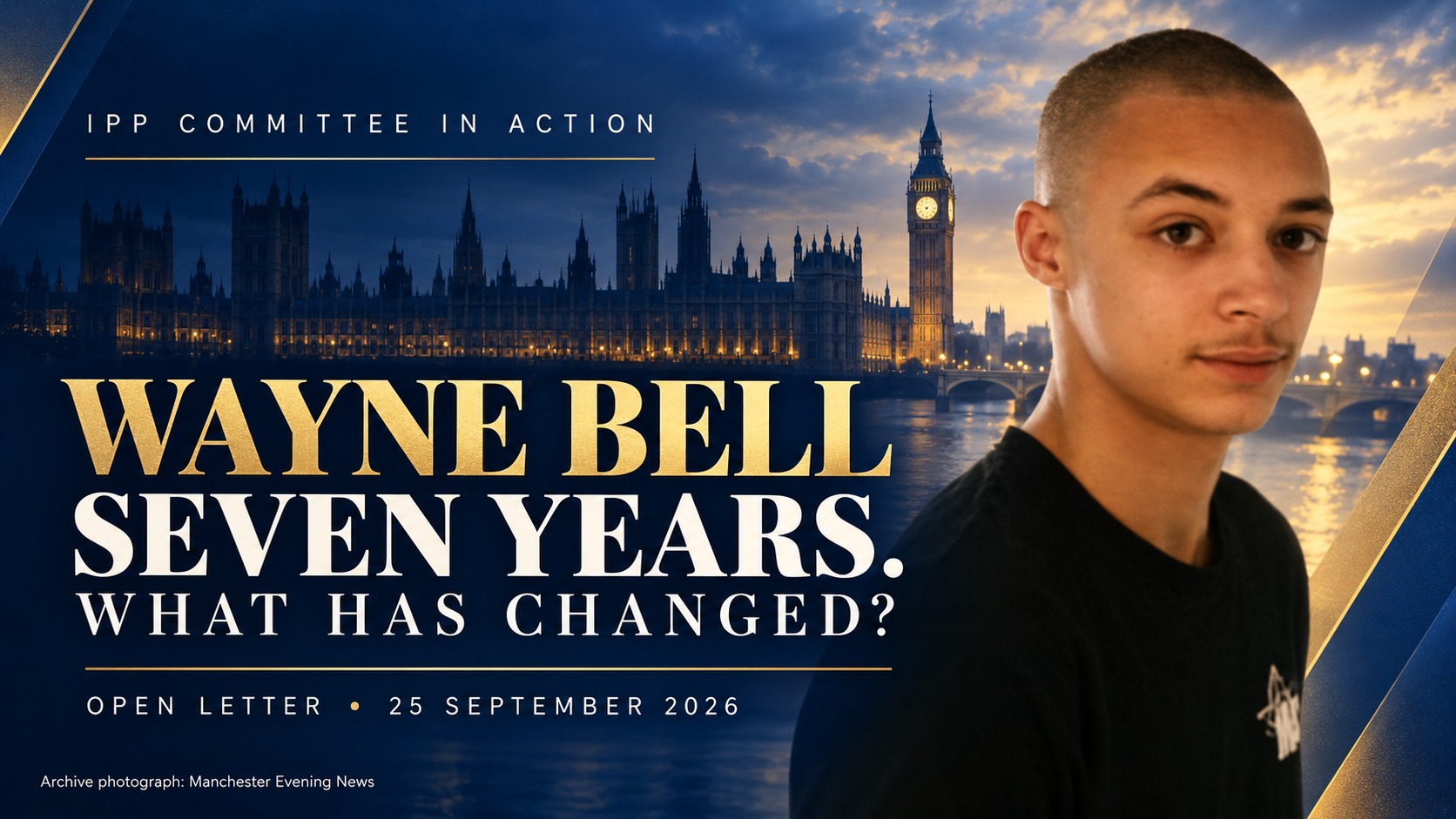
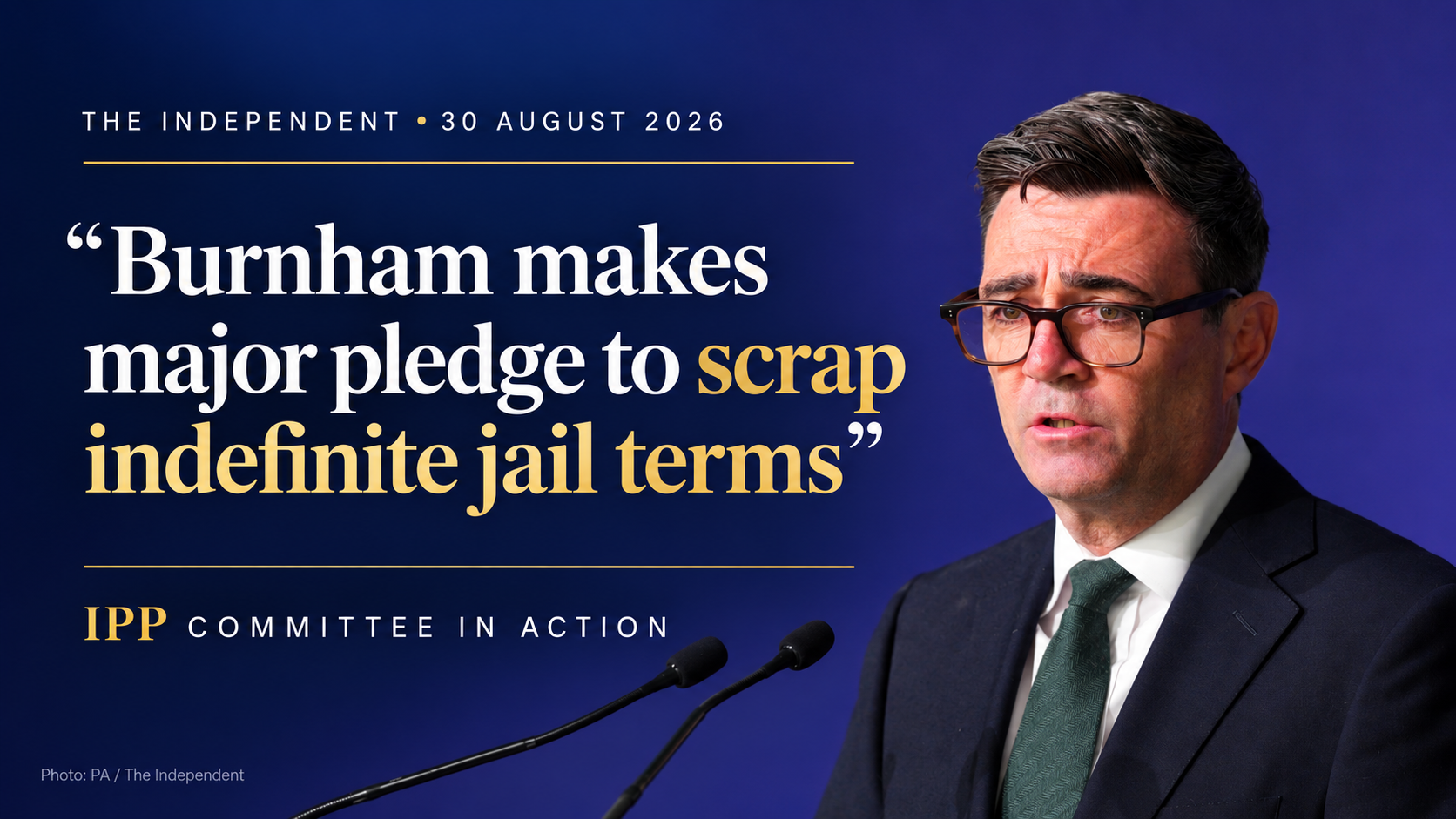
On 30 August 2026, the Prime Minister committed the Government to bringing the injustice of IPP sentences to an end during this Parliament. This historic breakthrough must now become urgent, retrospective legislation with a clear timetable, independent judicial decision-making, funded mental-health and resettlement support, and genuine engagement with victims and survivors focused on safer, better criminal justice outcomes. Until every remaining IPP and DPP sentence has been lawfully extinguished, our work continues.

TRUTH • ACCOUNTABILITY • JUSTICE

The People’s Inquiry into the IPP Sentence

Truth. Accountability. Reparation. Non-Recurrence.

IPP Committee in Action is establishing an independent, evidence-led People’s Inquiry into the creation, operation and continuing consequences of the Imprisonment for Public Protection sentence.

The Inquiry will place affected people, bereaved families, victims and survivors of crime, practitioners, researchers and wider communities at the centre of a serious examination of what happened, why recognised harms were allowed to continue and what justice now requires.

National Lived Experience and Victims’ Justice Council

Meaningful participation will be embedded through two equal and independently supported structures:

The Victims and Survivors Panel
A dedicated route through which victims and survivors of crime can shape the Inquiry’s questions, evidence and recommendations and contribute to better, safer and more effective criminal justice outcomes.

The IPP Lived Experience and Families Panel
A dedicated route through which people serving or formerly subject to IPP/DPP sentences, bereaved families and affected relatives can shape the Inquiry’s questions, evidence and recommendations.

Participation will have genuine influence. Victims, survivors, affected people and bereaved families will not be used as decoration, political theatre or a means of scoring political points.

The Inquiry will investigate deaths, prolonged imprisonment, recall, mental and physical health, family harm, institutional decision-making, professional responsibility and the measures required for accountability, reparation and non-recurrence.

The People’s Inquiry is underway. Its multidisciplinary team is established and continuing to grow, with formal launch and public-engagement plans already in development. Further details will be announced through official Inquiry channels at the appropriate time.

 THE PEOPLE’S INQUIRY INTO IPP

Victims and Survivors

Victims of crime must be heard with dignity, independence and purpose. The People’s Inquiry will not use victim involvement to score political points or set one harmed group against another. It will create meaningful opportunities for victims and survivors to contribute to better criminal justice outcomes—including public safety, accountability, recognition, recovery, reparation and the prevention of further harm.

Victims’ Voices Matter

Victims of crime are too often consulted after decisions have already been made, reduced to a single statement, or invoked to justify political positions they did not choose. The People’s Inquiry will take a different approach. Victims and survivors will be invited to identify what recognition, information, accountability, safety and reparation mean to them. Their evidence will help the Inquiry understand where criminal justice institutions have supported recovery—and where they have caused further harm. Participation will never require a victim or survivor to endorse a predetermined position. Victims do not all hold the same views, and meaningful engagement must respect that independence.

From Voice to Power

This Inquiry advances a central proposal developed through postgraduate research into rehabilitation, penal harm and transformative justice: the creation of a National Lived Experience and Victims’ Justice Council. The research rejects the false choice between supporting victims of crime and addressing injustice within the penal system. It proposes a model in which victims and people with lived experience help shape policy together—balancing accountability, rehabilitation, public safety and the reduction of harm. The People’s Inquiry is putting that model into practice through its Victims and Survivors Panel. Panel members will help shape questions, identify overlooked harms, examine evidence and test whether recommendations respond meaningfully to victims’ needs. This is not ceremonial consultation. Participation must carry influence, strengthen institutional accountability and contribute to justice that heals rather than divides.

The Panel’s Role

The Victims and Survivors Panel will contribute directly to the Inquiry’s evidence, analysis and recommendations.

Panel members will help to:

  • identify the needs and experiences that the Inquiry must examine;

  • assess how criminal justice institutions communicate with and support victims;

  • expose practices that cause further trauma, exclusion or loss of trust;

  • test whether proposed solutions strengthen safety, accountability and recovery;

  • examine how IPP policy has affected victims, families and wider communities;

  • challenge political narratives that claim to speak for all victims;

  • shape recommendations for recognition, reparation and the prevention of further harm; and

  • help evaluate whether the Inquiry’s final recommendations are fair, workable and responsive to victims’ needs.

The Panel will work alongside the IPP Lived Experience and Families Panel while retaining its own voice, independence and distinct responsibilities.

Safe Participation

Participation will be voluntary, trauma-aware and based on informed consent. No one will be required to disclose more than they choose, speak publicly or engage directly with another participant group.

Victims and survivors will be offered clear information about:

  • how their evidence may be used;

  • whether they wish to be named or remain anonymous;

  • the limits of confidentiality;

  • safeguarding and available support;

  • their ability to pause or withdraw from participation; and

  • how corrections or concerns can be raised.

Evidence will not be sensationalised, taken out of context or used to imply that every victim holds the same view. Personal testimony will be handled with care, and publication decisions will consider dignity, privacy, consent and potential further harm. The Inquiry is an evidence-gathering process. It does not replace legal advice, counselling, emergency assistance or specialist victim-support services.

Who Can Take Part

The Inquiry welcomes engagement from people whose lives have been affected by crime, including:

  • people directly harmed by an offence;

  • bereaved relatives and families;

  • survivors of serious violence, abuse or exploitation;

  • people affected by offences connected with an IPP sentence;

  • victim advocates and independent support organisations; and

  • people with professional experience of victim support, restorative practice, safeguarding or trauma recovery.

You do not need to support a particular policy position or hold a particular view about IPP. Agreement with the Inquiry is not a condition of being heard. People serving IPP sentences and their families will contribute through the separate IPP Lived Experience and Families Panel. The two panels will retain distinct identities while contributing to a shared search for truth, safety and better justice outcomes.

Join the Conversation

If you are a victim, survivor, bereaved family member, advocate or support professional and would like to contribute to the People’s Inquiry, you can register your interest through our contact page. At this stage, please do not send detailed testimony, medical information, case files or other sensitive documents through the general contact form. Tell us briefly how you would like to contribute and provide a safe method of contacting you. The Inquiry team will provide further information about participation, consent, confidentiality and safeguarding before substantive evidence is requested.

 WHO WE ARE

An international civil society movement for complete abolition

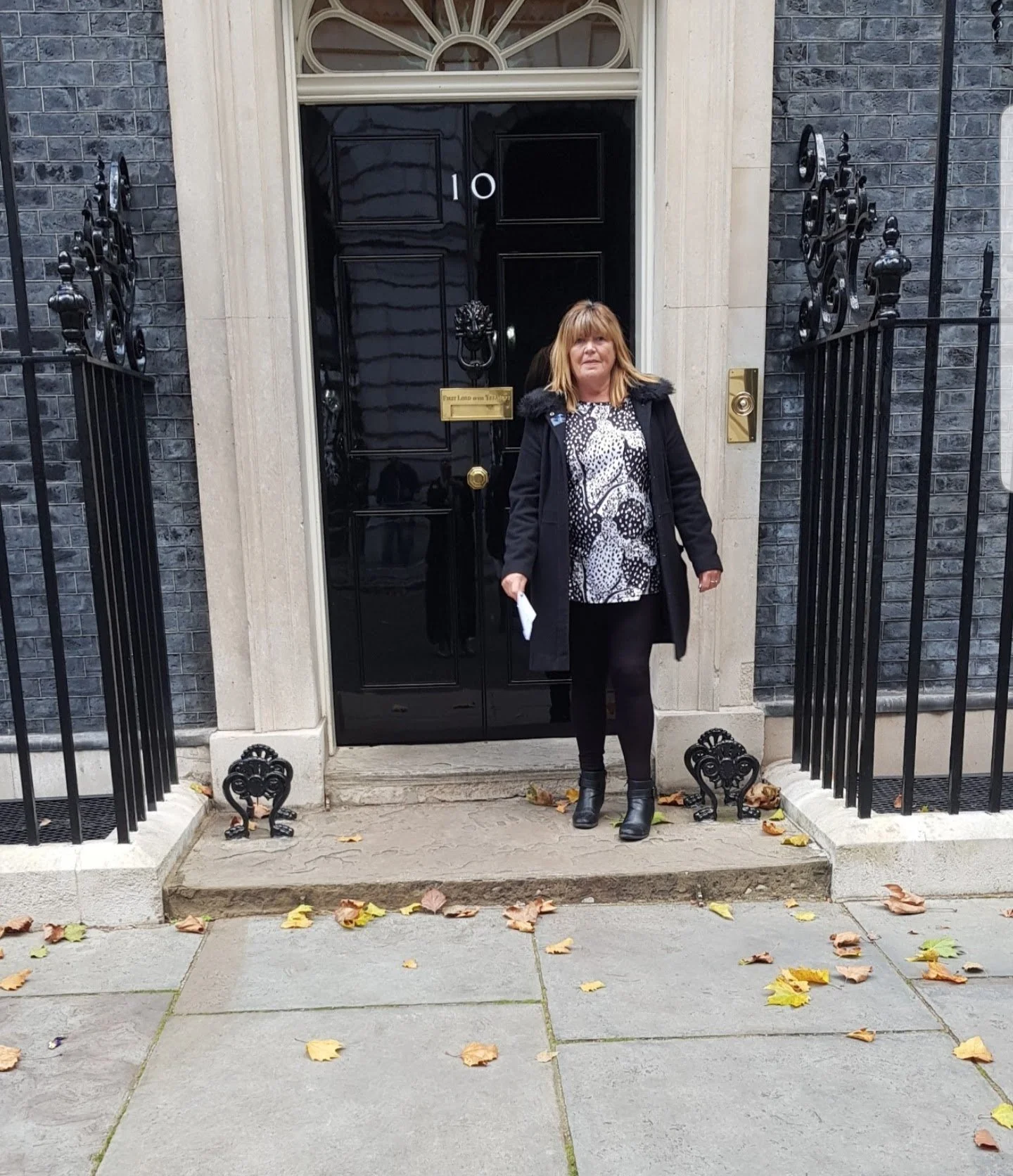
Founded by Shirley de Bono and built through years of sustained advocacy, IPP Committee in Action has grown into an international civil society movement involving families and people directly affected by IPP. Her work has taken the campaign into Parliament and the United Nations and now brings lived experience into dialogue with senior legal, clinical, academic and human rights expertise. We campaign for the complete retrospective abolition of every remaining IPP and DPP sentence, urgent review led by independent judges and accountability for the enduring harm caused.

We are also convening The People’s Inquiry into the IPP Sentence: Truth, Accountability, Reparation and Non-Recurrence, an independently chaired investigation lasting 24 months that will establish the truth, document harm, secure accountability, develop proposals for reparation and prevent recurrence.

I urge this Labour Government - you created this sentence, now its time to get rid of it altogether
— Shirley Debono
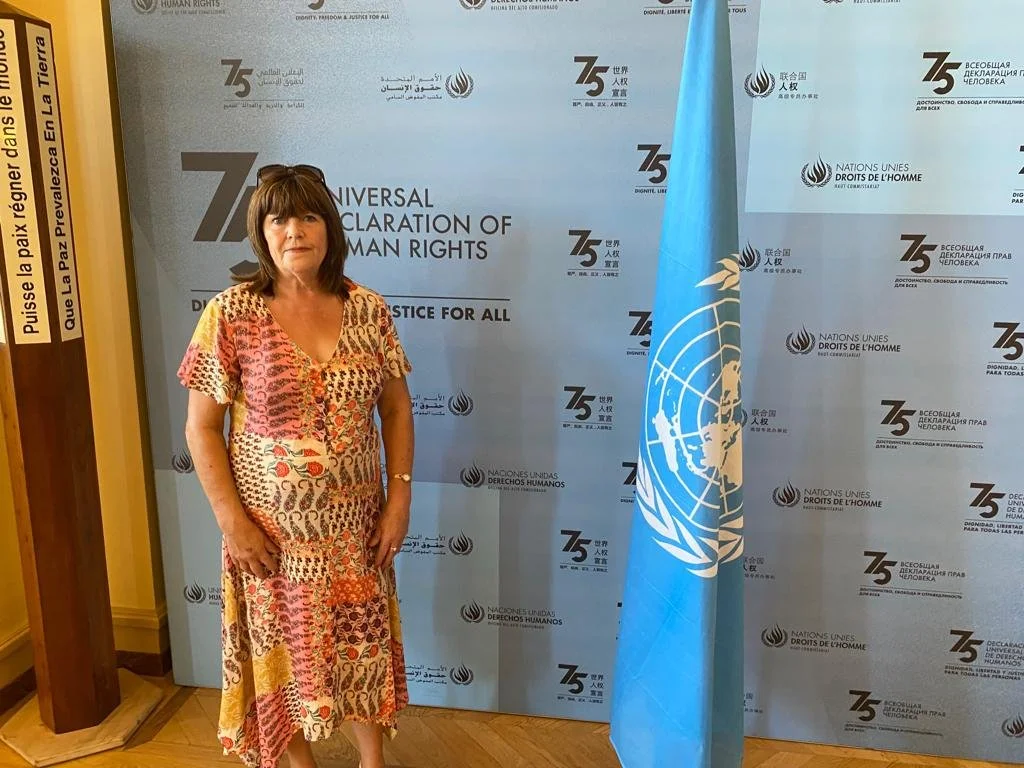
Shirley Debono representing IPP Committee in Action at the United Nations

Shirley de Bono representing IPP Committee in Action at the United Nations.


OUR MISSION

Abolition must mean abolition

IPP Committee in Action campaigns for urgent primary legislation to extinguish every remaining IPP and DPP sentence—whether a person is imprisoned, detained following recall or living in the community.

We demand:

• urgent decisions led by a National IPP Judicial Panel—not years of further delay controlled by probation;

• an immediate legality audit of every remaining sentence;

• an independent judicial examination of every current and historical OASys assessment, directed and determined by senior judges with assistance from independent multidisciplinary experts—not conducted or controlled by probation. Probation must disclose its records and evidence, but it must not review its own work or decide the outcome;

• publication of the evidence needed for public accountability; and

• immediate unconditional release wherever the State cannot prove a current, serious and offence-relevant risk using recent, reliable evidence.

For the very small number of exceptional cases where a grave current risk is proved, the IPP sentence must still end. Any transitional order must be judicially controlled, strictly limited and non-renewable. A discretionary life sentence may be considered only by three senior judges where it was legally available and justified by the original offending—never manufactured retrospectively from an OASys score.

Risk may determine the lawful route out of IPP. It must never determine whether IPP continues to exist. One hundred civil society figures signed our joint letter opposing the Indeterminate Sentence for Public Protection (IPP).


THE CAMPAIGN DEMAND

The Government must publish a clear timetable, introduce urgent primary legislation and establish a fair, independent judicial process. Implementation must protect victims and the public, provide funded mental-health and resettlement support, and extinguish every remaining IPP and DPP sentence.

Victims and survivors must be engaged with dignity and independence—not used to justify delay or score political points.

The announcement is the beginning of accountability—not the end of our campaign.

- Shirley Debono

Founder, IPP Committee in Action

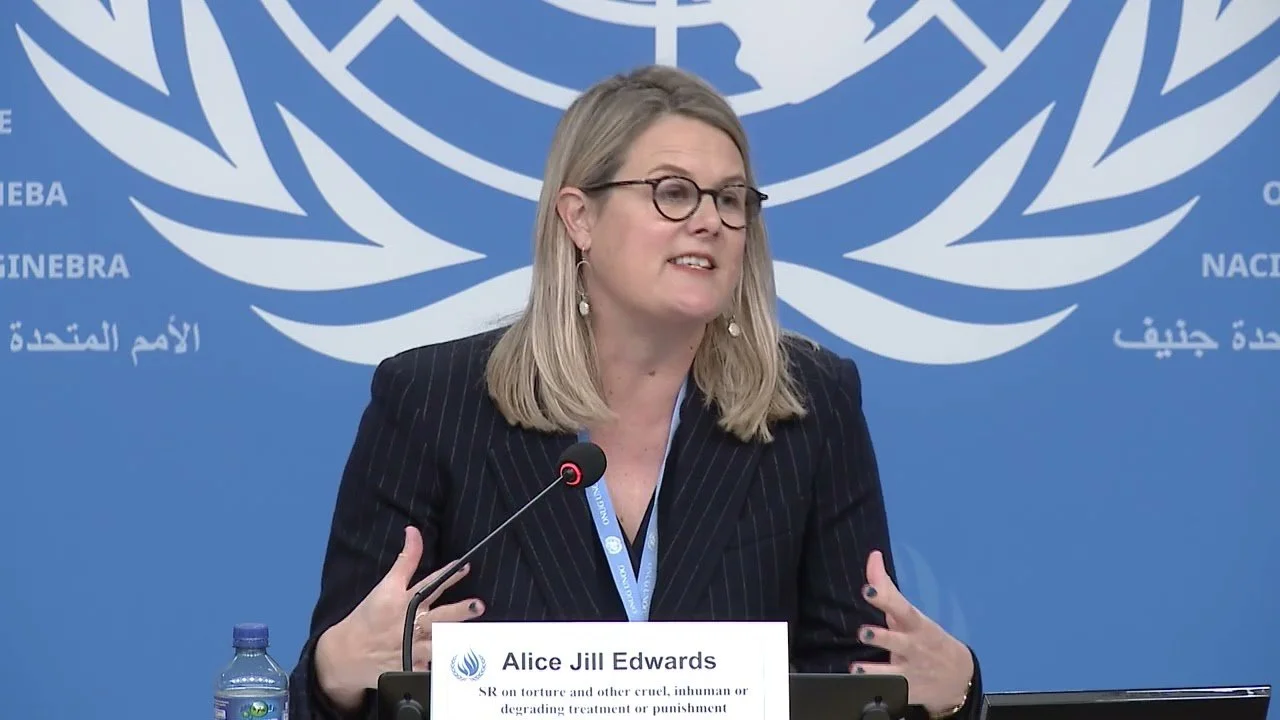
Dr Alice Jill Edwards, United Nations Special Rapporteur on Torture, speaking at the United Nations.

THE UNITED NATIONS FINDINGS

“Psychological harm inflicted by the indeterminate sentence … itself generates behaviours and presentations that are relied upon as evidence of continued risk.”

The UN Working Group on Arbitrary Detention found the continued detention of five IPP petitioners arbitrary and without a legal basis in international law.

Separately, a joint UN communication signed by Dr Alice Jill Edwards and three other UN mandate holders concluded that many IPP sentences had become forms of psychological torture or other cruel, inhuman or degrading punishment.

UN Working Group Opinion No. 16/2026
Published 23 July 2026

Joint UN Communication AL GBR 8/2026
24 June 2026

THE COURT OF APPEAL WARNING

“We have no way of knowing whether there are other such cases.”

Although the original offending was extremely serious, IPP had not been legally available for any of the offences of conviction. The unlawful sentence remained unchallenged for almost 20 years. The Court quashed it, freed Mr Haycock from his IPP licence and identified a “clear and urgent need” for a system capable of finding other cases.

Niki Dean Haycock v R
[2026] EWCA Crim 1105
Court of Appeal, 21 August 2026

Lord Justice Edis
Sir Gary Hickinbottom
Mrs Justice Ellenbogen


IPP IN NUMBERS

8,711 people received an IPP sentence.

As of 30 June 2026:

856 remained imprisoned without ever having been released.

1,415 were imprisoned following recall.

2,271 people were therefore being held in custody under IPP.

Around eight in ten tariff-expired, never-released IPP prisoners had already served at least ten years beyond tariff.

Source: Ministry of Justice, 30 June 2026

HUNDREDS HAVE DIED. THE PUBLIC STILL HAS NO COMPLETE ACCOUNT

Evidence submitted to Parliament recorded 69 self-inflicted deaths and 159 deaths from other causes among IPP prisoners—at least 228 deaths in custody by 2021. The Prisons and Probation Ombudsman subsequently confirmed 78 self-inflicted deaths by December 2022. A separate Freedom of Information response identified 122 deaths between January 2015 and February 2025, using a narrower period but a wider setting that included prisons, young offender institutions, approved premises and deaths within 14 days of release. Of those 122 deaths, 27 were classified as self-inflicted. These figures overlap and must not be added together. However, their different dates, definitions and populations expose the central failure: the Government has never published one complete, current and transparent record of every person who has died while subject to IPP. Public discussion that counts only self-inflicted deaths presents an incomplete picture. A classification of “natural causes” does not, by itself, establish that indefinite detention, chronic stress, deteriorating health, delayed treatment, prison conditions or institutional neglect played no contributory role. Not every death can automatically be attributed to IPP. Every death must, however, be independently examined to determine whether the sentence, post-tariff detention, recall, psychological deterioration or failures of care caused or contributed to it. IPP Committee in Action demands a complete public record covering deaths in custody, approved premises and the community, including each person’s tariff, time served beyond tariff, release and recall history, recorded cause of death, inquest findings and any sentence-related contributing factors. Until that record is published, the State cannot credibly claim to know—or have disclosed—the full human cost of IPP.

Sources: Parliamentary evidence, 2021; Prisons and Probation Ombudsman, 2023; PPO Freedom of Information response 615, 2025.


THE OFFENCES FOR WHICH IPP WAS IMPOSED

IPP was not confined to one narrow category of offending. Although the legislation identified 153 specified offences, IPP sentences were imposed across 107 different offences.

  • 3,045 for violent offences — 35%

  • 2,508 for sexual offences — 27.8%

  • 1,882 for robbery offences — 21.6%

  • 448 for arson and fire-setting offences — 5.1%

  • 355 for other offences — 4.1%

  • 232 for acquisitive offences — 2.7%

  • 226 for weapons offences — 2.6%

  • 11 for drug offences — 0.1%

Approximately 70 people received an IPP for offences for which life imprisonment is not available today, even as the maximum penalty.

This breakdown does not diminish the seriousness of any offence or the harm suffered by victims. It demonstrates how widely IPP was imposed—and why the remaining IPP population cannot be treated as one undifferentiated group.

Source: UNGRIPP, IPP by Numbers, using Ministry of Justice data.

Data note: the published offence categories account for 8,707 sentences, while the published overall total is 8,711. The source does not identify the remaining four cases.

 
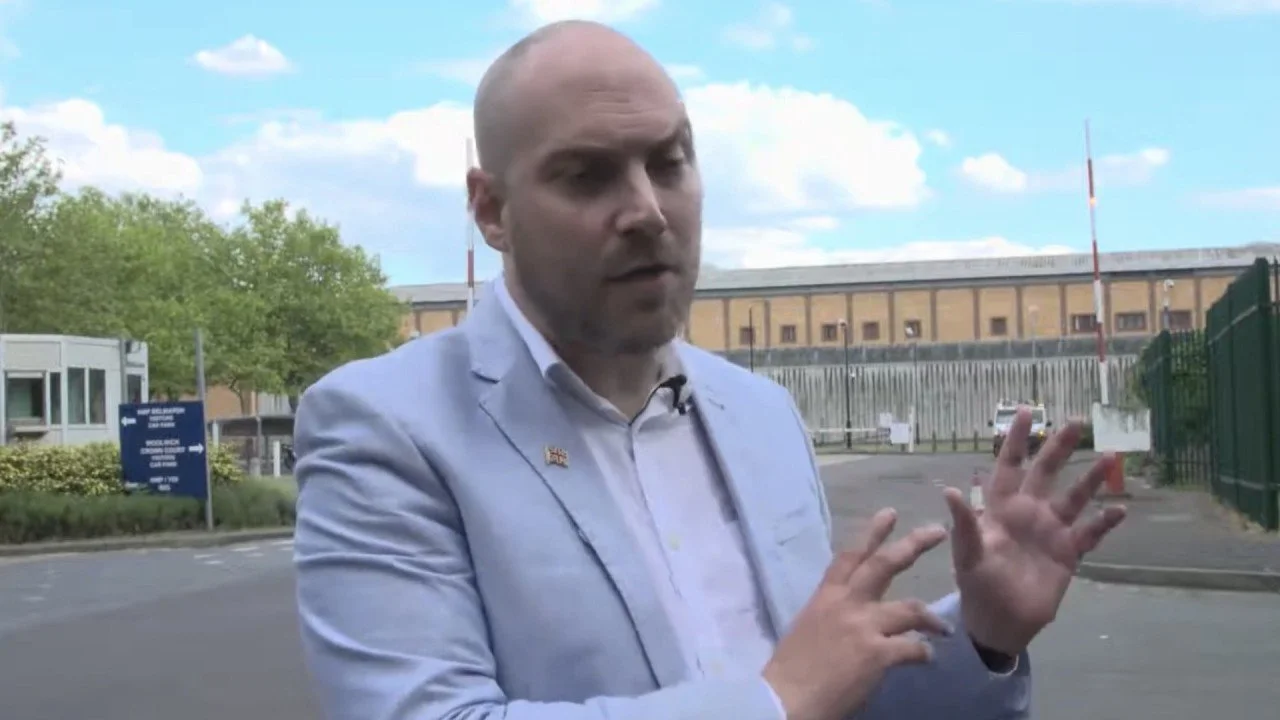
Adam J. Robinson outside HMP Belmarsh during media engagement concerning the human and institutional consequences of IPP.

THE HARM WE RARELY SPEAK ABOUT

“I have seen exhaustion, sadness and moral conflict in the eyes of staff at both frontline and senior levels.”

In February 2026, Adam James Robinson published an analysis of the emotional and ethical strain placed upon prison officers, psychologists, probation practitioners and senior managers required to administer indefinite punishment.

Six months later, Tom Wheatley, President of the Prison Governors’ Association, said that enforcing IPP had created “issues of conscience” for prison governors—including governors affected by the deaths of IPP prisoners in their care.

“It is a really knotty problem, but someone has to be courageous and take action.”

Together, these accounts demonstrate that IPP does not harm only prisoners and families. It also places a profound burden upon the professionals and institutions required to administer it. The ongoing long-term state harm caused to valued HMPPS staff due to inaction is an indefensible position and must be brought to an end with decisive legislative action.

Adam James Robinson MA, BA (Hons) — Criminology researcher, social entrepreneur and criminal justice commentator with lived experience of IPP.
IPP and the Crisis of Legitimacy, 26 February 2026.
Tom Wheatley — President, Prison Governors’ Association. The Independent, 26 August 2026.


our fight for justice

IPP Committee in Action campaigns for the complete retrospective abolition of every remaining IPP and DPP sentence.

We bring together people directly affected by IPP, families, researchers, legal and clinical experts and civil-society allies. Through the People’s Inquiry, evidence gathering, public advocacy and political engagement, we expose the continuing harm caused by IPP and press for truth, accountability, reparation and guarantees of non-recurrence.


STAND WITH US

Whether you are directly affected by IPP, supporting somebody you love, a victim or survivor of crime, working within the justice system or committed to safer and fairer justice, you can help shape what comes next. Share the evidence, support the People’s Inquiry and help us hold the Government to its commitment. Together, we must ensure that legislation ends every remaining IPP and DPP sentence through a fair and lawful process, protects victims and the public, and provides properly funded support for everyone affected.


WRITE TO YOUR MP

On 30 August 2026, the Prime Minister committed the Government to ending the injustice of IPP sentences during this Parliament. That commitment must now become clear, effective legislation. Ask your MP to demand a published timetable, independent judicial decision-making, meaningful engagement with victims and survivors, full disclosure of the evidence needed for accountability, and properly funded mental-health, resettlement and public-protection support.


LATEST NEWS & CAMPAIGN UPDATES

Follow the latest legal developments, People’s Inquiry announcements, campaign activity and media coverage of the continuing IPP injustice.